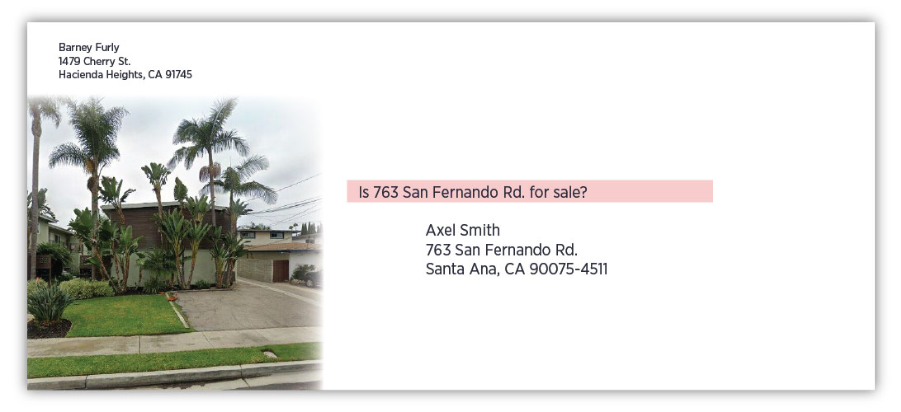
A strong real estate mailing strategy connects the right message with the right property audience at the right point in the buying or selling journey. Direct mail marketing real estate campaigns can promote listings, reach homeowners, reconnect with past prospects, and put investment opportunities in front of motivated sellers. With a clear audience, focused messaging, quality mailing lists, and consistent follow-up, iti Direct Mail can support a broader marketing plan without making the process feel disconnected from other channels.
The most effective strategy starts with one simple principle: do not send the same message to everyone. Buyers, sellers, investors, and property owners have different concerns, so each group needs relevant content, imagery, offers, and calls to action. A well-planned campaign can then move from audience selection to design, mailing, response tracking, and refinement.
Start With a Specific Real Estate Goal
Every campaign needs a defined purpose before any postcard or letter is designed. A listing promotion may focus on generating property visits, while a seller campaign may encourage homeowners to request a valuation or speak with an agent. Investor campaigns often require a different message centered on property opportunities and seller motivation.
Define the action you want recipients to take. This could be visiting a property page, calling an office, scanning a QR code, requesting information, or scheduling a consultation. A single, clear objective makes the message easier to understand and gives you something measurable to track.
Your campaign goal should also influence the format. A new listing may benefit from a visually strong postcard featuring the property, while a seller outreach campaign may work better with a letter that provides more context.
Divide Your Audience Before You Mail
Audience segmentation is one of the strongest foundations for direct marketing for real estate. Instead of treating an entire neighborhood as one audience, group recipients according to characteristics that affect their likely needs or interests.
For example, a campaign might separate homeowners, previous clients, absentee property owners, recent movers, investors, or residents in a specific geographic area. Listing promotions can also be directed toward people who are more likely to be interested in the property’s location, type, or price range.
Segmentation gives you room to adjust the message without creating an entirely different campaign for every recipient. A homeowner-focused letter can speak about selling considerations, while an investor mailing can emphasize property characteristics and an opportunity to request additional information.
The mailing list also deserves careful attention. Inaccurate addresses, outdated records, and poorly targeted contacts can reduce the effectiveness of otherwise well-designed materials. Use reliable data sources and maintain your contact records regularly.
Build a Message Around the Recipient
A real estate mailer should answer the recipient’s most relevant question quickly. Listing mail should make the property itself the focus. Seller outreach should explain why the recipient may benefit from speaking with the agent. Investor mail should communicate why the property or opportunity deserves further attention.
Avoid filling the entire piece with general claims about your agency. Instead, give recipients useful information that supports the action you want them to take.
A listing postcard, for example, can highlight:
- Property location and type
- A few meaningful property features
- High-quality photography
- A clear call to action
- A QR code or simple response method
The copy should remain easy to scan. A recipient should understand the purpose of the mailing within a few seconds, even without reading every word.
Use Different Formats for Different Campaigns
There is no single format that works for every real estate audience. Postcards are useful for quick visual communication and listing awareness, while letters can provide greater space for a more personal message.
Newsletters can also support ongoing communication with homeowners and past clients. They give agents an opportunity to share market observations, property updates, community information, and practical selling or buying guidance without making every mailing a direct sales pitch.
For investors and property owners, direct mail for real estate investors can take a more targeted form. Letters may address specific property situations and invite recipients to discuss an opportunity privately. The message should remain accurate, respectful, and relevant to the audience.
Make Listing Mailings Visually Useful
A listing mailing has very little time to capture attention. Strong photography, readable typography, and a clear information hierarchy help recipients understand the property without having to work through dense copy.
The most valuable information should have visual priority. This usually means the property image, location, key features, and response action should be easy to identify.
Avoid overcrowding the design with every available property detail. A mailing piece should create enough interest for the recipient to take the next step, while additional information can be provided through a website, property page, phone conversation, or other follow-up channel.
QR codes can connect physical mail with digital content, but they should lead to a mobile-friendly page that directly relates to the mailing. Sending recipients to a generic homepage creates unnecessary friction.
Give Seller Campaigns a Personal Reason to Respond
Seller-focused mailings need a different tone from listing promotions. Homeowners may not have decided to sell, so a message that feels overly aggressive can be easy to ignore.
Useful seller campaigns can address subjects such as preparing a property for sale, understanding local buyer activity, evaluating a property’s current position, or requesting a professional opinion. The goal is to give the recipient a sensible reason to respond.
Personalization can strengthen the message. Using the recipient’s name, property location, neighborhood information, or other relevant details can make a letter feel more considered than a generic mass mailing.
A real estate yellow letter can also be used for targeted seller outreach, particularly when the campaign requires a more personal letter-based format. Its effectiveness depends heavily on the quality of the audience selection and the relevance of the message rather than the color or format alone.
Create a Follow-Up System Before the Mail Goes Out
Sending the mailing is only one part of the campaign. A recipient may see the piece several times before responding, or may visit the linked page without contacting the agent immediately.
Plan follow-up communication before the first mailing is delivered. The follow-up can include a phone conversation, email, digital advertising, another physical mailing, or a combination of channels. Each touch should add something useful rather than simply repeating the same message.
Tracking also needs to be built into the campaign. Dedicated landing pages, campaign-specific QR codes, call tracking numbers, response forms, or simple source questions can help identify which mailing generated an inquiry.
Tracking these responses gives agents useful information about audience engagement and message performance. It also makes future campaign planning more informed.
Connect Mail With Digital Marketing
Physical mail and digital channels can work together rather than operating as separate campaigns. A postcard can direct recipients to a property page, while a seller letter can lead to an online valuation request or educational resource.
The digital destination should match the promise made on the printed piece. If the postcard promotes a particular listing, the QR code should take recipients directly to that listing rather than a general website page.
iti Direct Mail can also be part of a broader communication plan that combines physical materials with digital touchpoints, helping businesses maintain a consistent message across channels.
Keep Testing the Details
Small changes can affect how recipients respond to a mailing. Testing gives you a practical way to identify which elements are helping the campaign.
You can compare different headlines, calls to action, layouts, images, mailing segments, or formats. Keep the testing focused so the results provide useful information. Changing several major elements at once makes it harder to determine what influenced the response.
Record campaign results consistently. Over time, this creates a clearer picture of which audiences respond to particular messages and which formats generate meaningful inquiries.
See also: Can Photographers Use Business Financing to Upgrade Their Editing Computers?
Build a Consistent Real Estate Mailing Program
A successful mailing strategy is not built around one postcard. Consistency helps an agent remain recognizable to a defined audience and creates more opportunities for recipients to act when their circumstances change.
That does not mean sending identical materials repeatedly. A homeowner might receive educational content at one stage, a neighborhood-focused message later, and a more direct seller invitation when the campaign objective changes.
The strongest direct mailer real estate campaigns tend to have a clear audience, useful messaging, strong visual presentation, an obvious response path, and a way to measure results. Those elements turn printed material from a one-time promotion into a structured part of the marketing process.
Build Each Campaign Around a Clear Next Step
A real estate mailing should never leave the recipient wondering what to do next. Give them one practical action and make it easy to complete.
A listing campaign might invite the recipient to view the property. A seller campaign could encourage a valuation request or consultation. An investor campaign might invite the recipient to request property details.
The final call to action should match the campaign objective and appear prominently in the design. Keep the response process simple, and make sure every destination, phone number, QR code, and form works before the mailing is released.
Final Verdict
A strong real estate direct mail strategy begins with a specific goal and a clearly defined audience. From there, the campaign should use relevant messaging, an appropriate format, strong design, accurate mailing data, coordinated follow-up, and measurable response methods.
The best campaigns give recipients a useful reason to pay attention rather than relying on generic promotional copy. They also connect physical mail with digital resources so prospects can move naturally from receiving a piece to taking action.
For help creating targeted mail campaigns that fit your audience and marketing goals, get in touch with us today and make each mailing count. Real estate agents, brokers, and investors can build stronger campaigns by treating every mailing as part of a larger communication plan.


 By
By