Front teeth are highly visible, so replacing one involves more than simply filling an empty space. The implant must be positioned carefully to support the restoration, preserve the surrounding gum and bone, and create a natural-looking result. For patients considering dental implants in Tysons Corner VA, careful planning is especially important because the front teeth require close attention to appearance, function, and long-term tissue health. G4 Dental Implants evaluates factors such as bone volume, gum contours, bite, implant position, and the design of the final restoration before treatment begins.
Front Teeth Have Different Demands
A missing front tooth can affect much more than a person’s smile. Front teeth help guide the lower jaw during certain movements, support the lips, and contribute to clear pronunciation. Their position also influences the shape of the visible gumline.
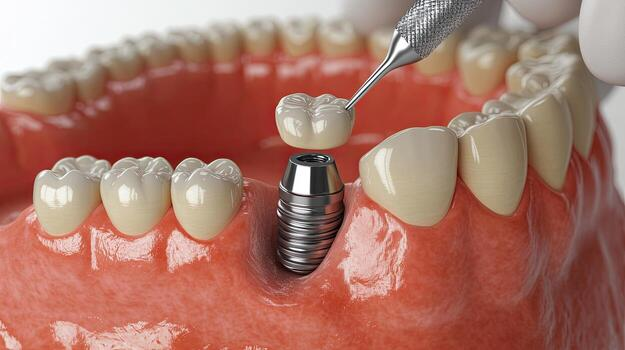
A dental implant replaces the tooth root, while an abutment and crown recreate the visible portion. Each component needs to work together. A small difference in implant angle, depth, or position can affect how the crown sits and how the gum tissue frames it.
The front of the mouth also receives close visual attention. People naturally notice the symmetry of the teeth and gums when someone smiles or speaks. For that reason, implant planning in this area often requires greater precision than treatment involving teeth farther back in the mouth.
Bone Evaluation Comes Before Implant Placement
The jawbone provides the foundation for an implant. After a tooth is lost, the bone that once surrounded its root can gradually change in shape and volume. The amount and condition of available bone can influence implant positioning and the overall treatment plan.
A dental examination may include three-dimensional imaging to assess the bone from different angles. This allows the dental team to evaluate the available width, height, and density and identify nearby anatomical structures.
Bone assessment is particularly useful for front-tooth implants because the visible side of the jaw can have a thin layer of bone. An implant that is positioned without adequate consideration of this anatomy can affect the surrounding tissue and the appearance of the finished restoration.
If the available bone does not provide suitable support for the planned implant position, additional procedures may be considered. The decision depends on the individual’s anatomy, oral health, and restorative needs.
Gum Tissue Shapes the Final Appearance
Healthy gum tissue is a major part of an attractive front-tooth restoration. The gumline around a natural tooth has a particular contour, and neighboring teeth create a visual pattern that the implant restoration should complement.
The thickness and shape of the gum tissue can influence how much of the implant restoration is visible. Tissue changes can also affect the symmetry between the implant crown and the adjacent natural tooth.
Planning therefore involves more than finding a place for the implant. The dental team must consider the position of the gumline, the shape of the soft tissue, and the relationship between the implant and nearby teeth.
Patients researching dental implants Tysons corner may encounter treatment plans that look similar on paper but differ significantly based on individual anatomy. A personalized assessment helps determine the appropriate implant position and restoration design for the specific site.
Implant Position Affects Crown Design
The implant needs to provide a stable foundation for the final crown, but its location also affects the appearance of that crown. An implant placed too far toward the lip, too far toward the tongue, or at an unsuitable angle can create restorative challenges.
The dental team considers the planned crown while determining the implant position. This restorative-driven approach helps coordinate the implant, abutment, and crown rather than treating them as separate steps.
The size, shape, color, and position of the neighboring teeth also matter. The new crown should fit naturally into the existing smile rather than simply occupy the space left by the missing tooth.
Digital planning may assist with evaluating these relationships before surgery. It can provide detailed information about the implant site and help the clinician plan its position in relation to the surrounding structures.
Your Bite Is Part of the Planning Process
Front teeth experience forces during biting and jaw movement. An implant restoration must function within the patient’s existing bite rather than being planned in isolation.
The dental team may assess how the upper and lower teeth meet, how the jaw moves, and how the planned crown will contact opposing teeth. This information can influence implant positioning and crown design.
Bite considerations become particularly relevant for people who clench or grind their teeth. Excessive forces can place additional demands on an implant restoration. Identifying these habits during the planning stage allows the dental team to consider appropriate protective measures.
The goal is to create a restoration that looks natural while fitting comfortably within the patient’s existing oral function.
Neighboring Teeth Must Be Protected
A front-tooth implant is surrounded by natural teeth, roots, bone, and soft tissue. The implant must be positioned with enough consideration for these structures.
Imaging can help the clinician determine the location of adjacent tooth roots and other anatomical features. This information supports careful implant placement and helps reduce the risk of interfering with neighboring structures.
The space available for the implant also matters. A missing front tooth does not always leave an ideal amount of room. The shape of the gap, the position of nearby teeth, and changes that occurred after tooth loss can all affect the plan.
For this reason, implant placement should be based on detailed examination rather than the visible gap alone.
Planning Can Involve Several Stages
Front-tooth implant treatment is not always a single procedure. Some patients have sufficient bone and healthy gum tissue for the planned implant placement, while others may require additional preparation.
The overall plan may involve:
- Detailed dental and medical history review
- Three-dimensional imaging and evaluation of bone and soft tissue
- Assessment of bite, neighboring teeth, and smile proportions
The findings determine what needs to happen before the implant is placed and how the restoration should be designed.
This individualized planning is particularly valuable for patients searching for dental implants Tysons corner VA, because treatment needs can vary considerably even among people replacing the same front tooth.
Oral Health Matters Before Treatment
An implant site should be evaluated alongside the patient’s overall oral health. Active gum disease, untreated decay, poor oral hygiene, or other dental problems may need attention before implant treatment proceeds.
Healthy gums provide an important environment around the implant restoration. Maintaining good oral hygiene after treatment is also essential because the tissues surrounding an implant can develop inflammation and other complications.
Smoking and certain medical conditions can also affect healing and implant outcomes. A complete health history gives the dental team information needed to plan treatment responsibly.
Good planning begins with identifying factors that could interfere with healing or long-term implant maintenance.
The Restoration Must Match the Smile
A front-tooth crown is designed to fit within the surrounding smile. Tooth shade is only one part of that process. The crown’s shape, width, length, surface characteristics, and position all contribute to its appearance.
The neighboring natural teeth provide visual references for the restoration. Their proportions and contours can guide the design of the implant crown.
The gumline also needs consideration. Even a well-made crown can look out of place if the surrounding tissue does not frame it naturally. This is one reason front-tooth implant planning often requires close coordination between surgical and restorative considerations.
Patients should also understand that natural teeth and implant crowns have different structures. The restoration is designed to complement the existing teeth rather than imitate every microscopic characteristic of a natural tooth.
Why Planning Is More Than Choosing an Implant
There is no single implant design or placement strategy that suits every front-tooth case. The correct approach depends on the patient’s bone, gum tissue, bite, adjacent teeth, overall health, and restorative goals.
G4 Dental Implants can use these findings to develop a treatment plan centered on the individual implant site. Careful preparation allows the surgical and restorative stages to work toward the same result.
For patients considering dental implants Tysons, asking how the implant will be positioned, how the gum tissue will be considered, and how the final crown will be designed can provide a clearer understanding of the treatment process.
Maintaining the Result After Restoration
Careful planning does not replace good maintenance. Once the implant restoration is in place, regular dental examinations and consistent home care help protect the surrounding tissues and the restoration.
Brushing, cleaning between teeth, and following the dental team’s recommendations are important parts of long-term implant care. Professional examinations can also help identify changes around the implant before they become more serious.
A front-tooth implant is designed to function as part of the patient’s smile and bite, so maintaining the health of the surrounding teeth and tissues remains essential.
See also: How Better Website Design Helps Virginia Businesses Win More Customers
A Careful Plan Supports a Natural-Looking Result
Front-tooth implants require careful treatment planning because the implant must satisfy several needs at the same time. It must have appropriate support, fit within the available anatomy, protect nearby structures, work with the patient’s bite, and support a crown that blends with the surrounding smile.
The planning process begins before implant placement. Detailed imaging, soft-tissue evaluation, bite assessment, restorative design, and consideration of overall oral health all help shape the treatment approach.
If you are considering treatment, schedule an appointment today to discuss your dental needs and learn how careful planning can support a functional and natural-looking implant restoration. For patients in the Tysons Corner area, a detailed consultation can clarify the condition of the implant site and the steps that may be appropriate for replacing a missing front tooth.


 By
By