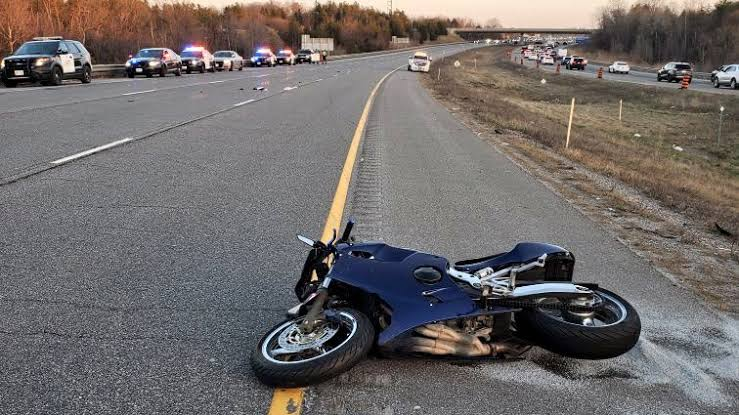
A motorcycle collision can leave a rider facing serious injuries, expensive treatment, and uncertainty about what happens next. Anyone searching for an aurora motorcycle accident lawyer may benefit from understanding the practical steps that can protect a potential injury claim. Information from a motorcycle accident lawyer in Aurora can also provide useful background about investigating crashes, identifying responsible parties, and evaluating losses.
Motorcyclists face risks that are different from those experienced by people inside passenger vehicles. A motorcycle provides far less physical protection during a collision, so even a relatively short impact can produce significant injuries. Riders may suffer fractures, road rash, spinal injuries, traumatic brain injuries, internal injuries, or other serious conditions.
The moments and days following a crash can also affect the strength of a future claim. Medical records, photographs, witness information, vehicle evidence, and other documentation can become difficult to obtain if they are not preserved early.
Medical Care Should Come First
After a motorcycle crash, medical attention should take priority over questions about insurance or compensation.
Some injuries are obvious immediately. Others may not become apparent until hours or days later. Adrenaline can temporarily mask pain, while certain injuries may initially produce only subtle symptoms.
A medical evaluation can identify injuries that might otherwise go untreated. It also creates a record of the symptoms reported after the collision.
Depending on the circumstances, treatment may involve emergency care, diagnostic imaging, orthopedic specialists, neurological evaluations, physical therapy, medication, or other services.
Follow the treatment plan provided by medical professionals. Missed appointments or discontinued treatment can make recovery more difficult and may also create questions about the progression of an injury.
Keep copies of:
- Emergency room records
- Diagnostic test results
- Medical bills
- Prescriptions
- Specialist reports
- Physical therapy records
- Follow-up appointment notes
- Medical equipment receipts
These documents can help establish the connection between the accident and the treatment that followed.
See also: Strawberry and Lemon: A Bright Pairing for Refreshing Fruit Drinks
The Accident Scene Can Contain Valuable Evidence
A motorcycle accident scene may change quickly.
Damaged vehicles can be removed, debris can disappear, road conditions can change, and surveillance footage may eventually be overwritten. Evidence that seems insignificant immediately after a collision may become useful during a later investigation.
If a rider is physically able and it is safe to do so, photographs should document the motorcycle, other vehicles, roadway, traffic signals, signs, debris, skid marks, visible injuries, and surrounding conditions.
Photos should be taken from multiple angles rather than focusing only on the most obvious damage.
Witnesses can also provide valuable information. A person standing near an intersection may have seen a driver turn across the motorcycle’s path. Another witness may have observed a vehicle speeding, changing lanes, or failing to yield.
Collect witness names and contact information whenever possible.
A police report should also be requested and preserved. Although an accident report may not answer every question, it can provide a useful starting point for an investigation.
Motorcycle Accidents May Have More Than One Cause
Determining responsibility requires more than simply identifying which vehicles collided.
A motorcycle crash may involve distracted driving, speeding, impaired driving, unsafe lane changes, failure to yield, poor road conditions, defective equipment, or another factor.
A driver may claim that the motorcycle appeared suddenly. A rider may report that the driver failed to check a blind spot.
Evidence can help resolve these conflicting accounts.
Investigators may examine vehicle damage, photographs, witness statements, traffic-camera footage, road markings, accident reports, and other available evidence.
The condition of the motorcycle may also provide useful information about the direction and force of impact.
After the third H2, readers can review information about the firm’s attorneys and its personal injury practice.
Driver Inattention Is a Common Concern
Motorcycles are smaller than passenger vehicles and can be harder for inattentive drivers to notice.
A driver looking at a phone, adjusting a navigation system, reaching for an object, or focusing on another passenger may fail to recognize a motorcycle nearby.
A moment of inattention can have serious consequences.
Intersections can be particularly dangerous. A driver turning left may fail to see an approaching motorcycle, while a vehicle entering traffic may misjudge the motorcycle’s distance or speed.
Unsafe lane changes create another common risk. A driver who does not properly check mirrors and blind spots can move directly into the path of a motorcycle.
Evidence of driver distraction can come from witness statements, phone records, vehicle data, traffic footage, or other sources depending on the circumstances.
Speed Can Increase the Severity of a Collision
Speed affects both the ability to avoid a crash and the force involved when a collision occurs.
A speeding vehicle may have less time to react to a motorcycle entering an intersection or changing position on the roadway.
Higher speeds can also increase the severity of resulting injuries.
Investigators may examine skid marks, vehicle damage, roadway conditions, witness observations, traffic-camera footage, and available vehicle data when speed is disputed.
A rider should not assume that an insurance company’s initial assessment of speed or fault is necessarily complete.
The available evidence should be considered as a whole.
Road Conditions Can Create Motorcycle Hazards
Motorcycles are more vulnerable than larger vehicles to certain roadway conditions.
Potholes, gravel, uneven pavement, debris, wet surfaces, poorly marked construction zones, and other hazards can cause a rider to lose control.
A roadway problem may raise questions about the party responsible for maintaining the area.
Photographs are especially useful in these circumstances. Road conditions can change quickly after maintenance, construction, weather, or cleanup.
A rider should photograph the exact location of the hazard when possible, along with nearby signs, lane markings, and other features that show the surrounding context.
Claims involving public entities can also involve specific legal requirements and deadlines, making prompt legal evaluation particularly important.
Injuries Can Affect Much More Than Physical Health
Motorcycle accident injuries can interfere with nearly every part of daily life.
A broken leg may make walking, driving, or working difficult. A spinal injury may require extensive rehabilitation. A traumatic brain injury may affect memory, concentration, communication, or emotional regulation.
Severe injuries can also create long-term limitations.
Someone who previously worked full time may need reduced hours or a different occupation. Household responsibilities may need to be handled by family members. Activities that once seemed routine may require assistance.
These effects should be documented rather than overlooked.
A daily recovery journal can record pain levels, mobility limitations, sleep difficulties, medical appointments, missed work, household assistance, and changes in normal activities.
Specific observations are generally more useful than vague descriptions.
Lost Income Deserves Careful Documentation
An injury can create financial losses even when medical bills are covered.
A rider may miss work during hospitalization, treatment, or rehabilitation. Some people may be unable to return to their previous job because their injuries prevent them from performing essential duties.
Keep records of:
- Missed workdays
- Pay stubs
- Reduced hours
- Employer communications
- Vacation or sick time used because of the accident
- Changes in job duties
- Lost employment opportunities
- Self-employment income affected by the injury
Future earning capacity may also become relevant in cases involving permanent impairment.
Medical professionals and vocational or economic specialists may provide information about how a serious injury could affect future employment.
Insurance Companies May Ask Difficult Questions
After a motorcycle accident, insurance representatives may contact the rider.
An adjuster may request information about the accident, medical treatment, injuries, employment, or prior conditions.
Accuracy matters, but injured people should avoid guessing about facts they do not remember.
The first days after a crash can be confusing. Symptoms can also change as treatment progresses.
Statements made during an early conversation may later be compared with medical records or other evidence.
A rider should also be careful about signing documents or accepting a settlement before understanding the full extent of the injuries.
An early settlement may appear attractive when medical bills are arriving, but serious injuries can require treatment long after an initial offer is made.
5280 Injury Law Focuses on Personal Injury Cases
5280 Injury Law, also known as Lampert & Walsh, is a Denver-based personal injury firm that handles motor vehicle accident matters, including motorcycle accidents. The firm’s website describes a practice built around investigating injury claims and providing personalized legal service.
Motorcycle accident cases may require investigation into driver behavior, road conditions, vehicle defects, insurance coverage, and the rider’s injuries.
The firm states that its attorneys serve clients throughout Colorado, including Aurora and other Front Range communities.
People who want additional information can visit the firm’s website to review its personal injury services and resources.
Comparative Fault Can Affect a Claim
Motorcycle riders sometimes face assumptions that they were responsible for their own accidents.
A driver or insurance company may argue that a rider was speeding, riding improperly, or otherwise contributed to the collision.
Colorado uses a comparative negligence system. The firm’s motorcycle accident resource explains that an injured rider may still be able to recover damages when partially responsible, although compensation can be reduced according to the rider’s share of fault.
For that reason, evidence matters.
A rider should preserve photographs, medical records, witness information, motorcycle repair documentation, and other material that may help establish what actually happened.
Fault should be evaluated based on the evidence rather than assumptions about motorcyclists.
Motorcycle Damage Should Also Be Documented
The motorcycle itself may provide important evidence.
Avoid repairing or disposing of a damaged motorcycle before its condition has been adequately documented.
Photographs should capture damage from different angles. Repair estimates, invoices, towing records, and storage expenses should also be preserved.
Personal property damaged in the collision may need documentation as well.
Helmet damage, protective clothing, luggage, communication equipment, and other items can help demonstrate the force involved in a collision.
In some cases, the motorcycle’s mechanical condition may also become relevant. A brake, tire, steering component, or another part could potentially contribute to a crash.
Helmet Evidence Can Matter
A helmet can provide important information after a collision.
If the helmet was damaged, keep it rather than discarding it. Photographs can document cracks, scratches, dents, or other visible damage.
Protective gear should also be preserved.
A damaged jacket, gloves, boots, or other equipment may help demonstrate the circumstances of the crash.
Medical documentation remains essential because visible damage to safety equipment does not establish the full extent of a person’s injuries.
Social Media Posts Can Create Problems
Injury claims and social media do not always mix well.
Photos from vacations, restaurants, gatherings, sporting events, or other activities can be taken out of context.
Someone recovering from a serious motorcycle accident might attend a short event while experiencing substantial pain before or afterward. A single photograph cannot capture that full experience.
Still, insurance companies may use publicly available posts to question the severity of an injury.
Avoid posting about the accident, injuries, insurance negotiations, settlement discussions, or legal strategy.
Privacy settings should be reviewed, but changing privacy settings does not necessarily eliminate information that has already been shared.
Long-Term Medical Needs Should Be Considered
Some motorcycle accident injuries resolve within weeks. Others can require years of treatment.
A serious injury may involve surgery, rehabilitation, physical therapy, occupational therapy, neurological care, psychological treatment, or ongoing medication.
The cost of future treatment may be difficult to estimate immediately after the accident.
Medical professionals can provide information about prognosis and anticipated care.
This information can be important when evaluating a potential claim because a settlement should account for the known consequences of an injury rather than only the bills already received.
Legal Deadlines Should Not Be Ignored
Personal injury claims are subject to legal deadlines.
The applicable deadline can depend on the circumstances of the accident, the type of claim, and the identity of the potentially responsible party.
The firm’s Aurora motorcycle accident resource states that most motorcycle accident cases in Colorado have a three-year statute of limitations, while noting that certain circumstances can involve shorter deadlines.
Other claims, particularly those involving governmental entities, may involve additional requirements.
Waiting can also make evidence harder to preserve. Witnesses may become difficult to locate, video footage may be deleted, and damaged property may be repaired or discarded.
Getting information about applicable deadlines early can help prevent avoidable problems.
Uninsured and Underinsured Drivers
Not every driver involved in a motorcycle accident has adequate insurance coverage.
A collision caused by an uninsured or underinsured driver can create additional challenges.
Depending on the circumstances and available coverage, a rider may have options involving uninsured or underinsured motorist coverage.
Insurance policies should be reviewed carefully because coverage depends on the specific policy language and facts involved.
A rider should not assume that an at-fault driver’s lack of insurance automatically means there is no potential source of recovery.
Building a Clear Record After the Crash
Organization can make a significant difference during a complicated injury claim.
Create a file containing accident reports, photographs, medical records, bills, insurance correspondence, employment documents, repair estimates, and witness information.
A timeline can also help.
Write down when the accident occurred, when symptoms began, when medical treatment was received, how symptoms changed, when work was missed, and what limitations developed.
Family members can contribute observations about changes in behavior, mobility, memory, mood, or daily functioning.
These details can be difficult to reconstruct months later.
Practical Steps for Injured Motorcycle Riders
After a serious motorcycle crash, the following checklist can help preserve important information:
- Call emergency services when appropriate.
- Obtain medical attention promptly.
- Follow recommended treatment.
- Photograph the accident scene and vehicle damage when safe.
- Collect witness information.
- Preserve the motorcycle and damaged protective equipment.
- Obtain the police or accident report.
- Keep medical and financial records organized.
- Document missed work and reduced income.
- Avoid discussing the claim publicly on social media.
- Be careful when providing statements to insurance representatives.
- Learn about legal deadlines that may apply.
These actions cannot undo the collision, but they can help create a reliable record of the accident and its consequences.
Moving Forward After a Motorcycle Collision
A motorcycle accident can affect physical health, finances, employment, transportation, family responsibilities, and everyday independence. The legal process may also require detailed investigation into driver conduct, roadway conditions, insurance coverage, vehicle evidence, and the extent of the rider’s injuries.
Prompt medical treatment and careful documentation can help preserve important information. Photographs, witness statements, employment records, medical documentation, and damaged equipment may all contribute to a clearer understanding of the accident.
People interested in learning more about personal injury representation can explore the available resources from 5280 Injury Law.
For someone who has been injured in an Aurora motorcycle accident and wants to discuss the circumstances of a potential claim, contact us today to learn about the next steps.


 By
By