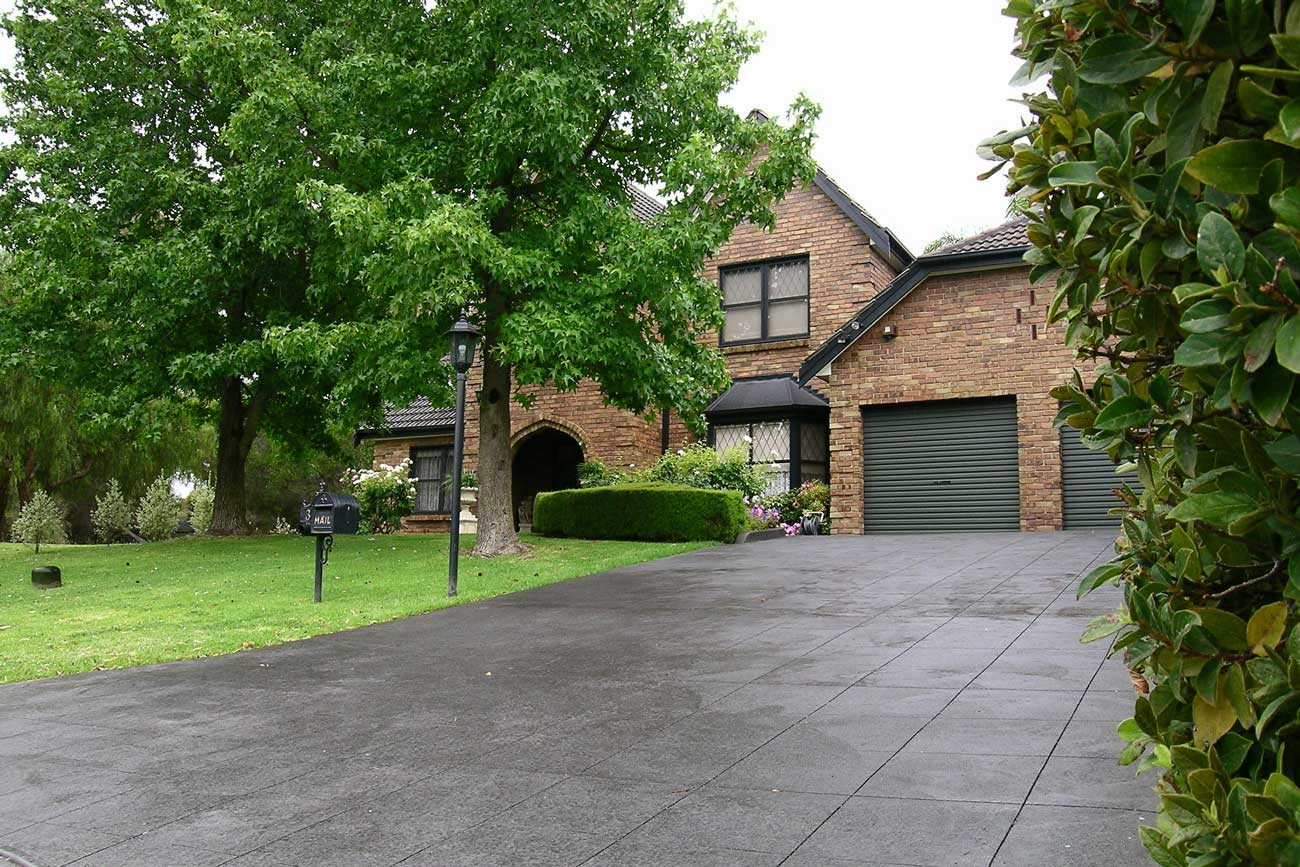
Outdoor concrete does not have to look plain or repetitive. With thoughtful layout, texture, and cutting techniques, a standard paved surface can become a defining feature of a driveway, patio, walkway, courtyard, or entertaining area. Saw cut concrete designs provide a practical way to introduce geometric lines, borders, sections, and visual movement while keeping the strength and versatility associated with concrete paving.
A well-planned pattern can also help connect different parts of an outdoor area. Lines can guide movement, separate functional zones, or complement the architecture of the building. The result depends on both the design selected and the quality of the installation.
Why Patterned Concrete Works Outdoors
Concrete is widely used for outdoor paving because it can handle regular foot traffic, vehicle loads, and exposure to changing weather conditions. Its relatively clean appearance also provides a useful foundation for different landscape styles.
Adding a pattern changes the visual character of the surface without requiring multiple paving materials. Geometric cuts can create the appearance of individual slabs, borders, or large decorative sections while maintaining a unified surface.
Patterns can be subtle or highly noticeable. A simple grid may suit a minimalist garden, while larger geometric shapes can provide more visual interest around an outdoor entertaining area.
See also: How a Home Improvement Contractor Can Improve Your Living Space
Geometric Lines Create Visual Structure
Straight lines are among the most effective ways to organize a paved space. A grid pattern can divide a broad concrete surface into proportional sections, giving the area a deliberate architectural feel.
Large squares often work well for patios and courtyards. Rectangular layouts can complement long pathways or modern buildings. Diagonal cuts can introduce movement and make a compact space feel visually different from a conventional straight-line arrangement.
The scale of the pattern should relate to the size of the paved area. Too many small sections can make a large surface appear busy, while very large sections may look unfinished in a smaller space.
Borders Can Frame the Paving
A border provides another way to introduce detail. A perimeter cut around a patio or driveway can visually separate the main paving from surrounding landscaping.
Borders can also help define transitions between different areas. For example, a pathway may use a central pattern with a clean perimeter line, while a larger entertaining area can feature a framed geometric layout.
The border does not necessarily need to be elaborate. A simple, well-positioned line can give a surface a more finished appearance without competing with surrounding plants, furniture, or architectural features.
Patterns Can Complement Modern Architecture
Outdoor paving works best when its design relates to the building rather than appearing disconnected from it. Contemporary homes and commercial properties often feature clean lines, strong angles, and simple materials. Concrete patterns can echo those architectural characteristics.
A grid may reinforce a structured facade, while long rectangular sections can mirror horizontal architectural elements. More organic landscaping may benefit from restrained geometric cuts that provide contrast without overwhelming the natural surroundings.
Color and texture also influence the relationship between paving and architecture. Neutral concrete can provide a quiet background, while decorative finishes can make the paving more prominent.
Choosing a Pattern for a Driveway
Driveways have different practical requirements from patios and garden paths. Vehicles place additional loads on the surface, while turning movements can create concentrated stress.
The design should therefore account for both appearance and function. Large, clearly defined sections can create an orderly appearance without introducing excessive visual detail.
Driveway patterns can also help break up a wide expanse of paving. A carefully positioned border or series of lines can make the surface look more intentional and provide a visual connection between the driveway, garage, entrance, and landscaping.
Patio Designs Can Define Outdoor Zones
A patio often serves several purposes, including dining, entertaining, relaxing, and moving between indoor and outdoor areas. Concrete patterns can help distinguish these functions without constructing physical barriers.
For example, a central geometric section can sit beneath an outdoor dining table, while a simpler surrounding layout defines walking areas. A border can visually mark the edge of the entertaining zone.
Furniture placement should be considered before finalizing the pattern. A cut line that runs directly beneath a table or intersects awkwardly with major furniture may reduce the visual impact of an otherwise attractive design.
Pathways Benefit From Directional Patterns
Paths naturally guide people from one location to another. Concrete cuts can reinforce that direction.
Longitudinal lines can make a narrow path appear longer, while crosswise sections can create a stronger sense of rhythm. A change in pattern can also mark an entrance, junction, or transition between outdoor areas.
For larger properties, the same design language can be repeated across multiple pathways and paved zones. This creates a visual relationship between separate areas without requiring every surface to use an identical layout.
Panorama Concrete Paving and Decorative Concrete
For property owners considering decorative paving, Panorama Concrete Paving works with concrete surfaces designed to combine practical performance with visual detail. Pattern selection should take account of the property’s layout, intended use, surrounding materials, drainage, and overall architectural character.
Professional planning is particularly useful for complex layouts. Accurate measurements and careful positioning help ensure that lines, borders, joints, and other design elements work together rather than appearing randomly placed.
The surrounding landscape should also form part of the design decision. Plants, retaining walls, garden beds, fencing, timber, stone, and outdoor furniture can all influence how a concrete pattern is perceived.
Maintenance Keeps the Design Looking Sharp
Patterned concrete still requires routine care. Dirt and organic debris can collect along cut lines, while stains may become more noticeable on lighter surfaces.
Regular sweeping and appropriate cleaning can help maintain the appearance of the paving. Spills should be addressed according to the concrete finish and stain type rather than using unsuitable chemicals.
Drainage should also be monitored. Water that repeatedly collects in one area can affect the surface and surrounding landscape. Keeping nearby drainage points clear helps reduce standing water and protects the broader outdoor area.
Design With the Whole Space in Mind
The most successful concrete patterns are planned as part of the complete outdoor environment. The shape of the property, building architecture, intended use, surrounding landscaping, furniture, drainage, and available space should all influence the layout.
A pattern should add structure without making the surface difficult to use. Simple geometry often provides enough visual interest, particularly when the surrounding landscape already contains strong textures and colors.
Concrete offers plenty of scope for creative paving without sacrificing practicality. With careful planning and skilled installation, geometric cuts can turn an ordinary paved area into a distinctive part of the property. For homeowners and property owners planning a new outdoor surface, contact us today to discuss concrete paving and pattern options for your space.

 By
By