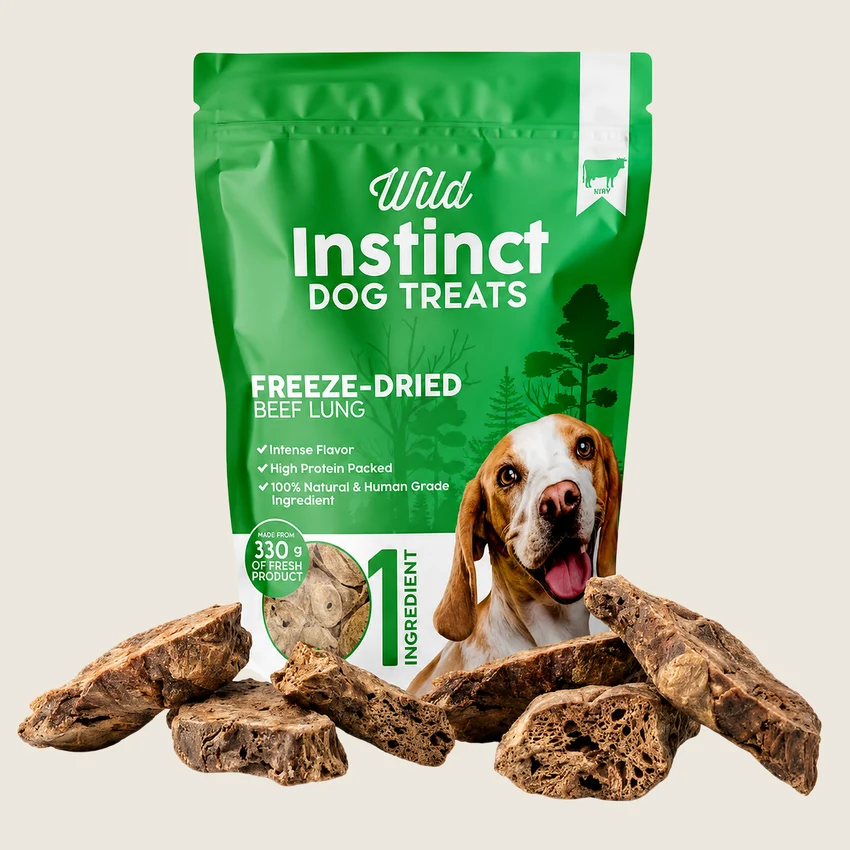
Choosing treats for a dog often means finding a balance between taste, nutrition, and a simple ingredient list. Dried beef lungs for dogs offer a naturally meaty option that many dogs enjoy, while their light texture makes them easy to break into smaller portions. For pet parents who prefer animal-based treats with fewer unnecessary ingredients, they can be a practical choice for training, rewarding good behavior, or adding variety to treat time. Wild Instinct Pet provides natural pet treats that can fit into everyday routines while keeping portion control and balanced feeding in mind.
A Simple Treat With a Meaty Flavor
Dried beef lung is made by removing moisture from beef lung, creating a lightweight treat with a concentrated meaty smell and flavor. Dogs often respond strongly to the aroma of meat, which makes these treats useful for rewards. The texture can also make them convenient for different situations. Larger pieces can be offered as an occasional snack, while smaller pieces can be used during training.
Some benefits of this type of treat include:
- Made from an animal-based ingredient
- Naturally strong meat flavor
- Lightweight and easy to handle
- Can often be broken into smaller pieces
- Suitable for occasional rewards and training
A simple treat does not need to be complicated to be useful. What matters most is how it fits into the dog’s overall diet.
Protein Can Support a Balanced Diet
Protein is an essential part of a dog’s diet. It provides amino acids that help maintain muscles and support normal body functions. A complete and balanced dog food should remain the foundation of daily nutrition, while treats should be viewed as additions rather than meal replacements. Dried beef lungs for dogs provide an animal-based source of protein, although the exact nutritional content depends on the product and preparation method. Pet parents can consider the nutritional information on the package when deciding how frequently to offer a treat. Dogs with particular dietary requirements may also need advice from a veterinarian before new foods are introduced.
Helpful for Training and Positive Reinforcement
Food rewards can make training more engaging for dogs that respond well to treats. The reward does not have to be large. Small pieces can be enough to reinforce a desired behavior. Dried beef lung can be particularly convenient because many pieces can be broken down for repeated rewards. This helps prevent every successful command from turning into a large snack.
These treats can be used when teaching behaviors such as:
- Sitting and staying on command
- Coming when called
- Walking calmly on a leash
- Waiting before eating
- Settling down quietly
- Responding to basic obedience cues
Pairing a small food reward with praise can help create a positive training experience without relying entirely on treats.
Texture Adds Variety to Treat Time
Dogs can have individual preferences for crunchy, chewy, soft, or airy textures. Offering different textures from time to time can make reward routines more interesting. Beef lung tends to have a lighter texture than dense meat treats. Depending on the preparation, pieces may be crisp and easy to snap or slightly chewy.
This can make them useful for different dogs and situations. A small piece may work well for training, while a larger piece may be saved for an occasional reward. Wild Instinct Pet includes natural treat choices for pet owners who want to give their dogs variety without making treats a major part of their daily diet.
Portion Control Keeps Treating Sensible
Even nutritious treats should be given in reasonable quantities. Extra snacks can add calories to a dog’s diet, particularly when several rewards are used during training.
The appropriate amount can vary based on:
- Dog’s size and body weight
- Daily activity level
- Age
- Regular food intake
- Number of treats given throughout the day
- Individual dietary needs
Breaking larger pieces into smaller rewards is an easy way to make a package last longer while keeping portions manageable. Following the feeding instructions on the product packaging is also recommended. For dogs with allergies, medical conditions, or special dietary requirements, a veterinarian can provide more specific guidance.
Read the Label Before Buying
A treat’s appearance does not tell you everything about its ingredients or preparation. Reading the label can help you understand what you are actually feeding your dog.
Look for details such as:
- Main ingredients
- Additional ingredients or additives
- Guaranteed analysis or nutritional information
- Feeding recommendations
- Storage instructions
- Manufacturer information
Many pet owners prefer treats with straightforward ingredient lists because they make it easier to understand what their dogs are eating. The treat should also complement the dog’s normal food rather than replace it. A varied treat routine is most useful when the dog’s primary diet remains complete and balanced.
Finding the Right Treat for Your Dog
Every dog has different preferences and dietary needs. A highly active young dog may receive small rewards during frequent training, while another dog may only need an occasional snack. Introducing a new treat gradually is a sensible way to monitor how your dog responds. This can be particularly useful for dogs that have sensitive digestion or have reacted to new foods in the past.
Consider these points when introducing a new treat:
- Start with a small amount
- Watch for any unusual digestive response
- Choose a size appropriate for your dog
- Supervise your dog while eating
- Keep fresh water available
- Store treats according to the package instructions
Dogs that tend to swallow food quickly may need smaller pieces and closer supervision during treat time.
Treating Can Be Part of Everyday Bonding
A treat can do more than provide a tasty snack. It can become part of everyday interaction between a dog and its owner. A small reward after a good behavior can reinforce communication. For example, a dog can receive a treat for waiting calmly at the door, returning when called, or settling in its bed. These simple moments can become part of a consistent routine. Wild Instinct Pet treats can be used alongside praise, play, and attention to make positive reinforcement more varied. The goal is not to give treats constantly. A small reward at the right moment can be more meaningful than giving snacks without a clear reason.
Store Dried Treats Properly
Dried treats have reduced moisture, but they still need to be stored properly. Keeping them protected from humidity and contamination helps maintain their quality. Once opened, follow the storage instructions provided by the manufacturer. In general, keeping the package sealed and stored in a suitable dry area helps protect the treats. Before giving your dog a piece, check for anything unusual.
Pay attention to:
- Changes in smell
- Visible spoilage
- Unusual moisture
- Damaged packaging
- Treats that have been stored beyond the recommended period
If something appears wrong with the product, it is safer not to feed it to your dog.
A Practical Choice for Natural Treating
Treats can be a useful part of training, bonding, and everyday positive reinforcement when offered thoughtfully. Dried beef lungs for dogs provide a meat-based option with a distinctive flavor and lightweight texture. mTheir ability to break into smaller pieces can make them particularly convenient for training sessions, while their meaty taste can work well as an occasional reward. The right choice will always depend on the individual dog’s size, preferences, diet, and specific nutritional needs.
A few simple habits can make treating more responsible:
- Keep treats within the dog’s overall daily calorie needs
- Use small portions during training
- Read the ingredient and feeding information
- Introduce new treats gradually
- Supervise dogs while they eat
- Keep treats stored safely
Give Your Dog a Meaty Reward
Wild Instinct Pet offers natural treat options for pet parents who want simple rewards for training, bonding, and everyday moments. Explore Wild Instinct Pet today and find a treat your dog can enjoy as part of a balanced routine.


 By
By