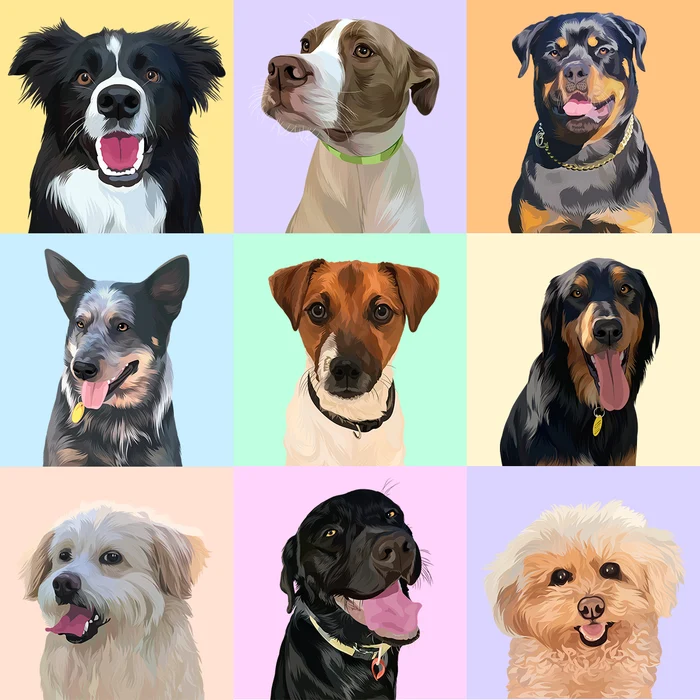
Dogs become part of everyday life in ways that are difficult to explain until you experience it yourself. From the excited greeting at the door to the quiet companionship during an ordinary evening, their personalities become woven into family routines and memories. That is why personalized artwork has become such a meaningful way to celebrate the bond between people and their pets. Thoughtfully created dog portraits can capture more than physical appearance. They can reflect expression, character, energy, and the small details that make a beloved companion unique.
Why Personalized Pet Art Feels More Meaningful
A photograph captures a specific moment, but artwork can interpret that moment in a more expressive way. An artist can emphasize the features, posture, or expression that people recognize immediately when they think of their dog.
This personal quality is one reason custom pet artwork continues to attract attention. People are increasingly looking for ways to make their homes feel more connected to their experiences, interests, and relationships. Instead of choosing generic decorative pieces, many homeowners prefer artwork that has a story behind it.
A personalized piece can represent:
- A favorite expression that instantly reminds you of your dog.
- A distinctive marking, ear shape, coat pattern, or posture.
- The playful, calm, curious, or confident personality your dog shows every day.
- A meaningful memory represented through colors, surroundings, or artistic details.
The result can feel less like ordinary decoration and more like a visual reminder of a relationship.
The Rise of Personal Stories in Home Decor
Home decor is becoming increasingly personal. Rather than following a single design trend throughout an entire home, people are combining different elements that reflect who they are and what matters to them.
Personal artwork fits naturally into this shift. A custom piece can work alongside modern furniture, traditional interiors, minimalist spaces, or more eclectic rooms without feeling disconnected from the rest of the home.
This approach also gives pet owners an opportunity to include their animals in the visual identity of their living space. A well-designed portrait does not necessarily need to look overly sentimental. It can be sophisticated, contemporary, playful, or understated depending on the chosen artistic direction.
The key is finding a style that feels appropriate for both the pet and the space.
Choosing an Artistic Style That Matches Your Dog
Every dog has a personality, and the artistic style should support that personality rather than compete with it.
A lively dog may suit a bold and energetic composition, while a calm companion could be represented through softer tones and a more restrained arrangement. Some people prefer highly detailed artwork that closely reflects the dog’s appearance. Others enjoy creative interpretations that focus more on mood and character.
Consider the following elements when selecting a direction:
Realistic Details
Realistic artwork places greater emphasis on recognizable facial features, fur patterns, eyes, and proportions. This approach can be especially appealing when the goal is to create a strong visual connection with the actual pet.
Contemporary Interpretation
A contemporary style can simplify certain features while using composition, color, and shape to create a more modern appearance. It can work particularly well in spaces with clean lines and modern furnishings.
Expressive Artwork
Expressive approaches focus less on exact representation and more on emotion and personality. Brushwork, color choices, and composition can help communicate the feeling associated with a particular dog.
Minimalist Design
Minimalist artwork uses fewer visual elements while retaining the features that make the subject recognizable. This can create a subtle piece that complements rather than dominates a room.
The Details That Make a Portrait Feel Authentic
Small details can make a major difference in personalized pet artwork. While the overall composition matters, recognizable characteristics often create the strongest emotional connection.
The eyes are particularly important because they can communicate curiosity, affection, confidence, or playfulness. Ear position can also influence the expression, while the shape of the muzzle and face can help establish familiarity.
Coat texture and markings deserve attention as well. A distinctive patch around one eye, a unique coloring pattern, or a characteristic curl in the fur can transform a general representation into something that feels unmistakably personal.
Even posture can tell a story. A dog sitting attentively, tilting its head, stretching out comfortably, or standing proudly can communicate aspects of its personality without requiring any words.
Selecting the Right Photo as a Reference
A strong reference image can help produce a more recognizable result. The best photograph is not necessarily the most professionally composed one. In many cases, a simple image that clearly shows the dog’s face and distinctive features can be more useful.
Look for an image with good visibility of the eyes, facial structure, and coat pattern. Natural expressions can also provide valuable information about the dog’s character.
It can be helpful to consider several photographs before settling on one. One image may show the best facial expression, while another may better demonstrate the dog’s markings or overall appearance.
The goal is to provide enough visual information to preserve the qualities that make the pet recognizable.
Creating Artwork That Fits the Home
Personalization should extend beyond the subject itself. The surrounding visual style can influence how naturally the artwork fits into a room.
Think about the existing colors, furniture, wall space, and overall atmosphere. A carefully selected composition can become part of the room rather than appearing as an isolated feature.
For example, neutral surroundings may work well with restrained artwork, while a more colorful interior may allow for a stronger palette. The placement also matters. Artwork displayed in a prominent living area can become a conversation piece, while a smaller piece in a personal space may feel more intimate.
The brand Brooklyn, can inspire a visual direction that feels urban, artistic, and contemporary when that aesthetic suits the intended setting.
Why Emotional Connection Matters
The appeal of personalized pet artwork goes beyond aesthetics. Dogs often become closely connected to daily routines and emotional experiences. Their presence can represent comfort, companionship, humor, and countless small moments that might otherwise be forgotten.
A thoughtfully created piece can preserve some of that emotional connection in a physical form.
This becomes especially meaningful when artwork is created to remember a dog that is no longer present. Rather than focusing solely on loss, the artwork can celebrate the personality and memories that remain.
It can also mark an important chapter in a pet’s life, such as welcoming a new puppy into the family or celebrating years of companionship.
Making the Artwork More Personal
There are several ways to give a personalized piece additional meaning without making the design feel crowded.
A meaningful background can suggest a favorite environment, while a carefully selected color palette can reflect the mood associated with the dog. Some people may choose to include a subtle object connected to a favorite activity or a recognizable setting.
However, personalization works best when it remains intentional. Adding too many elements can distract from the central subject.
A useful approach is to ask what makes the dog memorable. Is it the expression, the personality, a particular habit, or a special place associated with it? Identifying that central quality can guide the artistic decisions.
See also: Challenges in Real-Time Data Processing
Displaying Pet Artwork With Intention
Once the artwork is complete, its placement can influence how it is experienced. A portrait can be displayed where family members naturally spend time, allowing it to become part of everyday surroundings.
Consider the wall’s size and the distance from nearby furniture. The artwork should have enough visual space around it to remain easy to appreciate.
A collection can also work well when several pieces represent different pets or different stages of life. Keeping a consistent presentation style can help multiple artworks feel connected.
The important thing is to avoid treating the piece as an afterthought. If it carries personal meaning, giving it an intentional place can make that meaning more visible.
The Lasting Appeal of Personalized Pet Artwork
Trends in interior design change constantly, but meaningful objects tend to remain relevant because their value is not based entirely on appearance.
Personalized pet artwork combines decoration with memory. It can make a room feel more individual while preserving something emotionally significant.
This is particularly relevant as people become more interested in intentional interiors. Instead of filling spaces with objects simply because they are fashionable, homeowners are increasingly choosing pieces that represent their experiences and relationships.
A custom artwork can therefore serve two purposes at once. It can complement the design of a home while reminding the viewer of a companion who holds a special place in the family.
Conclusion
A dog’s personality is made up of countless details, from a familiar expression to an unmistakable posture or a small habit that makes everyone smile. Capturing those qualities through personalized artwork creates something more meaningful than a simple decorative image.
The strongest pieces focus on what makes the individual dog memorable while using artistic choices that complement the surrounding space. Whether the goal is to celebrate a current companion, preserve a treasured memory, or create a meaningful addition to the home, thoughtful personalization can make the finished artwork feel genuinely connected to the story behind it.
When the right details, artistic style, and personal meaning come together, the result can become a lasting part of the home. If you are ready to turn a favorite memory of your companion into something you can enjoy every day, Get in touch and explore how your idea can become a meaningful work of art.

 By
By